


Introduction
If you’ve ever dealt with international shipping, you already know—it’s not just about moving goods from one place to another. There are documents, customs, storage, coordination, and multiple transport modes involved. That’s where freight forwarding comes in.
In a global trade hub like Dubai, freight forwarding has become even more critical. Businesses today rely on experienced providers like IMEX Shipping Dubai to manage complex logistics while they focus on growth.
Understanding Freight Forwarding in Simple Terms
Freight forwarding is essentially the coordination of shipments from origin to destination using one or multiple transport methods. Instead of dealing with multiple vendors, a freight forwarder handles everything for you—from booking cargo space to final delivery.
This includes managing transportation, paperwork, and even storage when required, often as part of integrated logistics services that ensure your goods move without unnecessary delays.
Why Dubai Dominates Global Freight Movement
Dubai isn’t just another logistics city—it’s a global gateway. Its location connects major markets across Asia, Europe, and Africa, making it one of the busiest shipping corridors in the world.
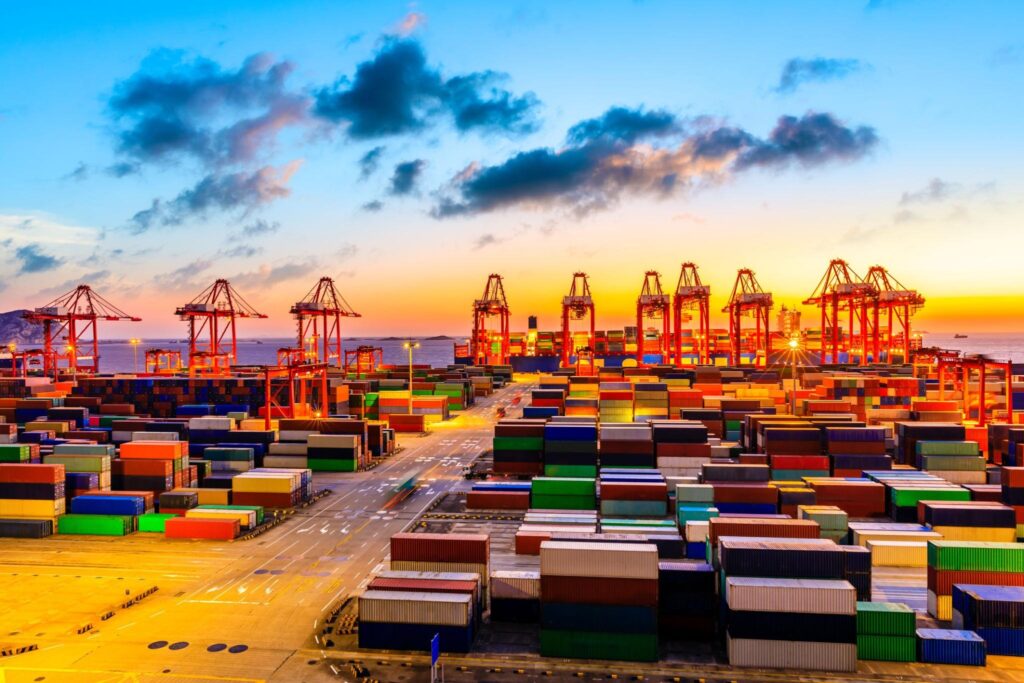
The presence of large-scale ports handling cargo ship Dubai operations, along with efficient airports and road networks, makes freight movement faster and more reliable. Add to that modern infrastructure and business-friendly policies, and it’s easy to see why companies prefer shipping to Dubai for international trade.
How Freight Forwarding Actually Works (Real Flow)
Let’s simplify what really happens when you ship goods internationally:
Once a shipment is planned, cargo is booked and picked up from the supplier. Depending on the nature of goods, it may first be moved to a warehouse before shipping. Many businesses use secure storage solutions like bonded warehouse facilities to delay customs duties until goods are ready for distribution.
After that, documentation is prepared and submitted for clearance. This is a critical step, and companies often rely on professional customs clearance services to avoid delays or penalties.
Once cleared, the cargo is transported via the chosen mode—sea, air, or land—and finally delivered to the destination.
Choosing the Right Mode: Air, Sea, or Land
Not all shipments are the same, and choosing the right transport method can significantly impact cost and delivery time.
For example, businesses dealing with bulk goods often prefer sea freight services because they are more economical for large shipments. On the other hand, urgent deliveries usually depend on air freight services due to their speed.
For regional distribution within the UAE and nearby countries, land transport solutions play a key role in ensuring timely deliveries.
A reliable partner like IMEX Shipping Dubai helps you decide the best option based on your specific requirements.
Storage & Warehousing: The Hidden Backbone
One area many businesses underestimate is warehousing. In reality, it’s a crucial part of freight forwarding.
For sensitive products like pharmaceuticals or food items, companies rely on temperature-controlled warehouse solutions to maintain product quality during storage and transit.
Warehousing isn’t just about storage—it’s about inventory control, safety, and ensuring smooth movement of goods across the supply chain.
Customs Clearance: Where Most Shipments Get Stuck
One of the biggest challenges in international shipping is customs clearance. Even a small error in documentation can lead to delays, fines, or shipment holds.
This is why businesses prefer working with professionals who understand regulations and can handle the process efficiently. Having proper documentation and expert handling ensures your shipment moves without unnecessary interruptions.
Why Businesses Rely on Freight Forwarders
Handling shipping independently might seem cost-effective at first, but it often leads to complications. Freight forwarders simplify the entire process by offering a single point of contact for everything—from transportation to documentation.
With experienced providers like IMEX Shipping Dubai, businesses benefit from better coordination, reduced risks, and optimized costs. This becomes especially important when dealing with large-scale or international shipments.
Final Thoughts
Freight forwarding is no longer just an optional service—it’s a necessity for businesses involved in global trade. Dubai continues to strengthen its position as a logistics powerhouse, offering advanced solutions for transportation, warehousing, and distribution.
If you’re looking to simplify your shipping process and avoid costly delays, working with an experienced logistics partner can make all the difference. Connecting with experts through the contact page is often the first step toward building a more efficient and reliable supply chain.